
The Best Campaigns Of 2025
One thing’s for sure: 2025 delivered some truly standout campaigns. We’ve taken a deep dive into the work that cut through, from culture to health to social impact. There is a lot to unpack - here’s what impressed us most, and why.
OpenAI: ChatGPT
Love it or hate it, AI has been dominating headlines, giving LinkedIn thought leaders endless material, eradicating entry-level industry roles (apparently) and creeping into brand campaigns whether you’re for it or against it.
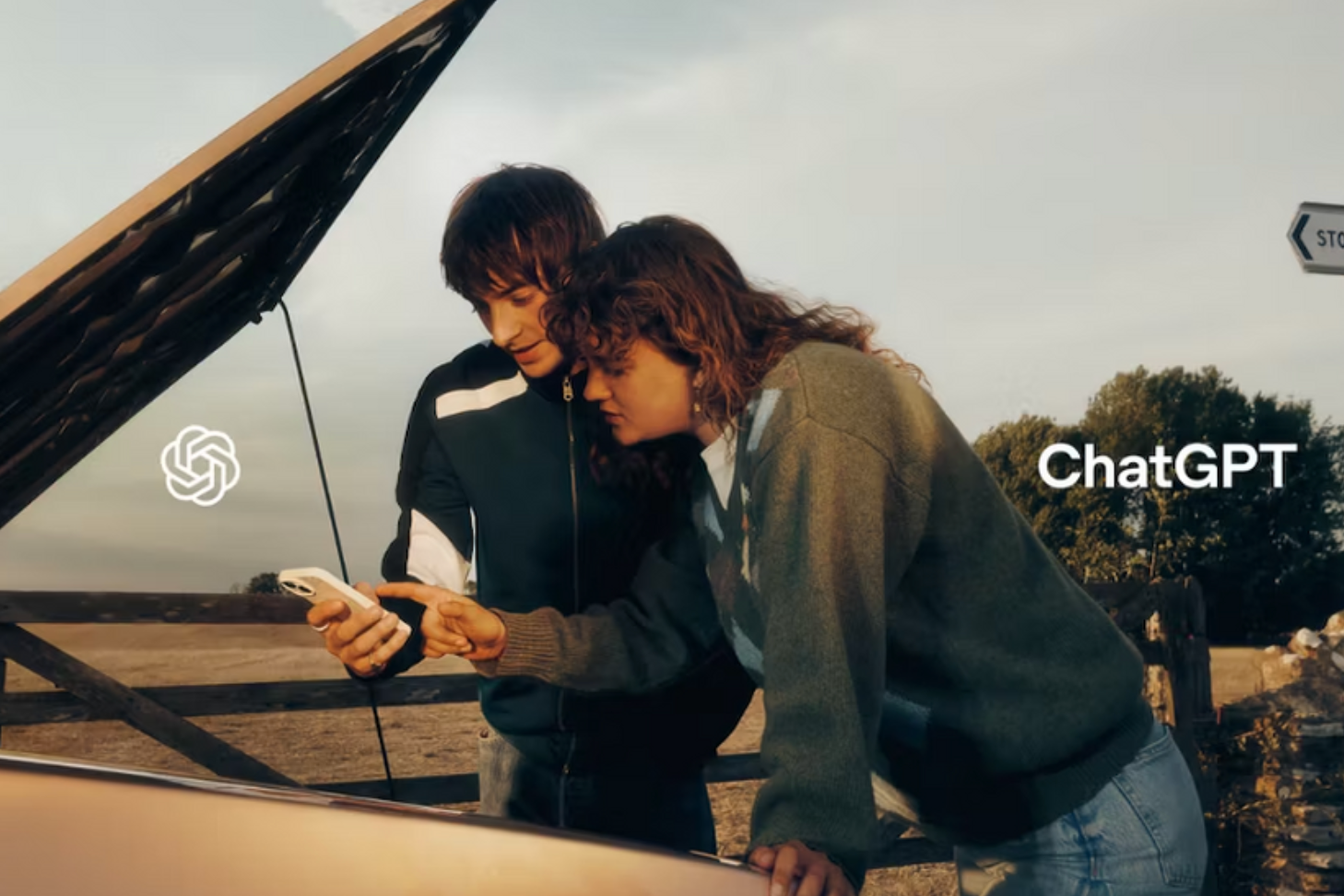
What was an unlikely turn of events was the ChatGPT campaign cementing their place in our everyday lives through clear, cleverly placed product integrations, a direct inspiration from exactly how their audience actively uses the tool. They used unassuming, relatable scenarios such as ‘I need a recipe that says I like you, but I want to play it cool’ and ‘I want to feel stronger. Help me do some pull-ups by August, blending artificial intelligence and the small sparks in otherwise mundane everyday life in a way that was thoughtful rather than uncanny.
The campaign featured three short films and a series of photographs, developed by OpenAI’s In-House creative team. What stood out most was the team's commitment to keeping ‘human craft’ central to the campaign, perhaps a subtle nod to AI enhancing human creation rather than replacing it.
The team at OpenAI noted that “Every frame was shot on film, shaped by directors, photographers, producers and many more masters of craft.” While ChatGPT itself has been credited as a “behind-the-scenes co-creator … streamlining shot lists and organising schedules.”
Overall, it was less creepy than expected and definitely a well-crafted campaign that showed a brand that truly understands its product and its audience. Whilst it encouraged interesting discourse on the somewhat controversial topic of AI, whether it’s enough to convert the naysayers, who knows.
Coopafeel!’s Check In
This year, UK youth breast cancer charity CoppaFeel! partnered with NHS North East London Cancer Alliance to launch Check In, a chest-awareness campaign designed to normalise self-examinations and spark open conversations about knowing your body.
Timed to coincide with Ethnic Minority Cancer Awareness Month and World Cancer Day, the campaign is fronted by Gen Z creators, including Klaudia Fior (Wavyute) and Tolly T, best known as one half of The Receipts podcast. Together, they challenged the persistent myth that breast cancer only affects older white women, reinforcing that early detection matters for people of all genders, ages, and ethnicities.
At the heart of the campaign were short social films featuring the creators recording voice notes, sharing the often-overlooked realities of Black women’s breast cancer experiences and urging young people to check their chests regularly. The creative landed with authenticity and emotional weight, in part because of the creator’s personal connections through their own or a family member’s experience with breast cancer.
Creator partnerships in health can be risky when misaligned, but Check In works because it is community-led, culturally fluent, and rooted in lived experience. A powerful example of how the right voice, at the right moment, can genuinely shift awareness and behaviour. Great work, CoppaFeel! and Co.
Burberry: ‘Back to the City’ featuring Bemi Orojuogun
Something that always rings true for Burberry is its innovative, creative approach to pushing the boundaries in its campaigns. Although some may have come under scrutiny (Working Class Culture washing at Normans, we’re looking at you), this year they have set the bar and kept it rising. From mysterious illustrator takeovers on their social channels to star-studded Christmas campaigns with BTS ring doorbell footage, but one stands in a class of its own.
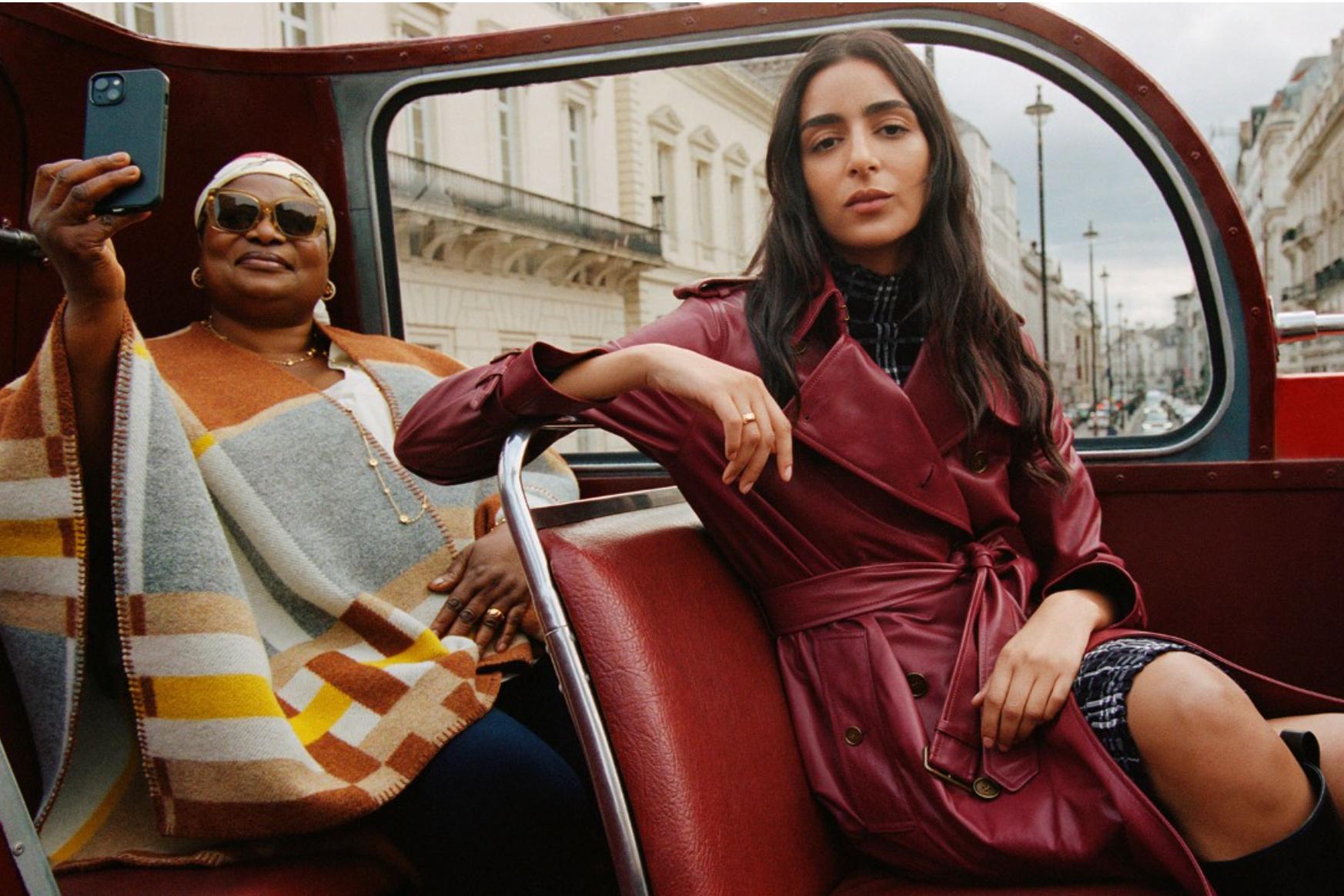
Their ‘Back to the City’ campaign was a visual tour of the incredible city the brand represents best. Vintage double-decker bus, back door conductor, chic, quintessentially British outfits and none other than Bemi Orojuogun, better known as Bus Auntie, front and centre. This is how you tap into a viral, sensational and cultural trend authentically. Bemi sat proudly on the top deck alongside models in her head-to-toe fit, bringing her now-famous, wholly wholesome selfie format to capture the city on her phone. There was no diluting, no moulding, they let her shine bright in her now signature style, capturing the rich and unique essence of London in her natural habitat. It was a fabulous display of honouring an iconic homegrown figure in her own perfect way.
NHS England: Martha’s Rule
Earlier this year, Martha’s rule was rolled out across all acute hospitals in England, following a phased introduction in 2024. The policy was created after the tragic death of 13-year-old Martha Mills in 2021, when her parents’ concerns went unheeded. As a patient safety measure, Martha’s Rule is in place to ensure that the concerns of patients, families, carers and staff are not only heard but acted upon, giving them the right to request an urgent review from a critical care team if they feel something is wrong.
From a comms perspective, this policy required careful, honest handling. On one hand, it allows the Government to highlight a compassionate, powerful initiative, born from tragedy and backed by strong public support. On the other hand, it inevitably draws attention to issues affecting patient safety and quality of care.
If communicated insensitively, Martha’s Rule could risk sounding as if the Government is shifting responsibility onto families rather than addressing structural NHS problems. But 2025’s rollout showed how to strike the right tone: the focus was on learning rather than blame, with messaging that centred patient empowerment and a commitment to systemic change and long-term investment, rather than a quick fix.
Crucially, the comms included Martha’s family's perspective, making the message grounded in lived experiences. By highlighting the policy as a safeguard for future patients, the narrative was anchored in both empathy and credibility. It’s not an easy balance to strike, but this approach provides a strong blueprint for communicating difficult reforms born out of tragedy.

Banning the sale of high-caffeine energy drinks to children
Earlier this year, led by public health bodies and backed by research linking high-caffeine energy drinks to anxiety, poor sleep, and heart issues in children, the Government launched a campaign to ban these drinks for under-16s. Partnering with groups such as the British Dietetic Association and local retailers, the initiative is a step in the right direction.
The real impact, however, lies in its commitment to co-create policy through a 12-week consultation with health experts, schools, parents, and retailers. Meaningful, lasting change happens when communities and businesses are empowered to lead, not just when decisions are imposed on them. Ultimately, the health of future generations depends on prioritising child health today and giving communities the tools to safeguard it tomorrow.
Dr Martens: ‘The Buzz’
The Dr Martens brand is famed for going against the grain, with a firm affinity for youth subcultures spanning grunge, punk, and emo trends dating back to the 1970s. Despite its global expansion and evolution over the decades, its roots in youth culture and music remain unshaken. For their reimagined y2k drop earlier this year, The Buzz embarked on an integrated approach targeting Gen-Z tastemakers whilst staying true to their rebellious spirit, and it did not miss the mark. They understand the nuances of engaging the demographic and did it most authentically, executing a disruptive, city-wide activation, poetically relevant to launch a collection named ‘The Buzz’.
Graffiti murals with QR codes that unlocked AR experiences in Brick Lane, a marching band suited and booted with the silhouette unleashed during an ordinary morning at Camden Market and a Shoreditch warehouse transformed into a third space for young creatives. They gave people a livable moment to be a part of it.
Paired with the digital rollout of enlisting micro influencers who embody the DMs ethos and style code, invitations pinged out across Snapchat and TikTok UGC challenges.
This was a campaign that rightfully received buzz and felt organic and earned rather than forced. Cementing the brand's positioning within youth culture and celebrating their unique cultural roots.
Melissa’s Wardrobe x M&S: “Love that”
This year, Melissa Holdbrook-Akposoe (aka Melissa’s Wardrobe), celebrity fashion stylist and your favourite influencer’s influencer, partnered with Marks & Spencer for a full-on campaign.
For years, M&S was seen as a traditional brand worn only by your grandparents. But Gen Z and millennials have been quietly buying in, and anyone who follows Mel (375K+ on Instagram) knows she’s a true M&S fan. For a while now, she has been shifting M&S stock purely through her authentic love for the brand, with organic endorsements that often send fans into an M&S frenzy. No surprise, then, that after the 2024 Christmas collab, this year M&S and Mel decided to level up.
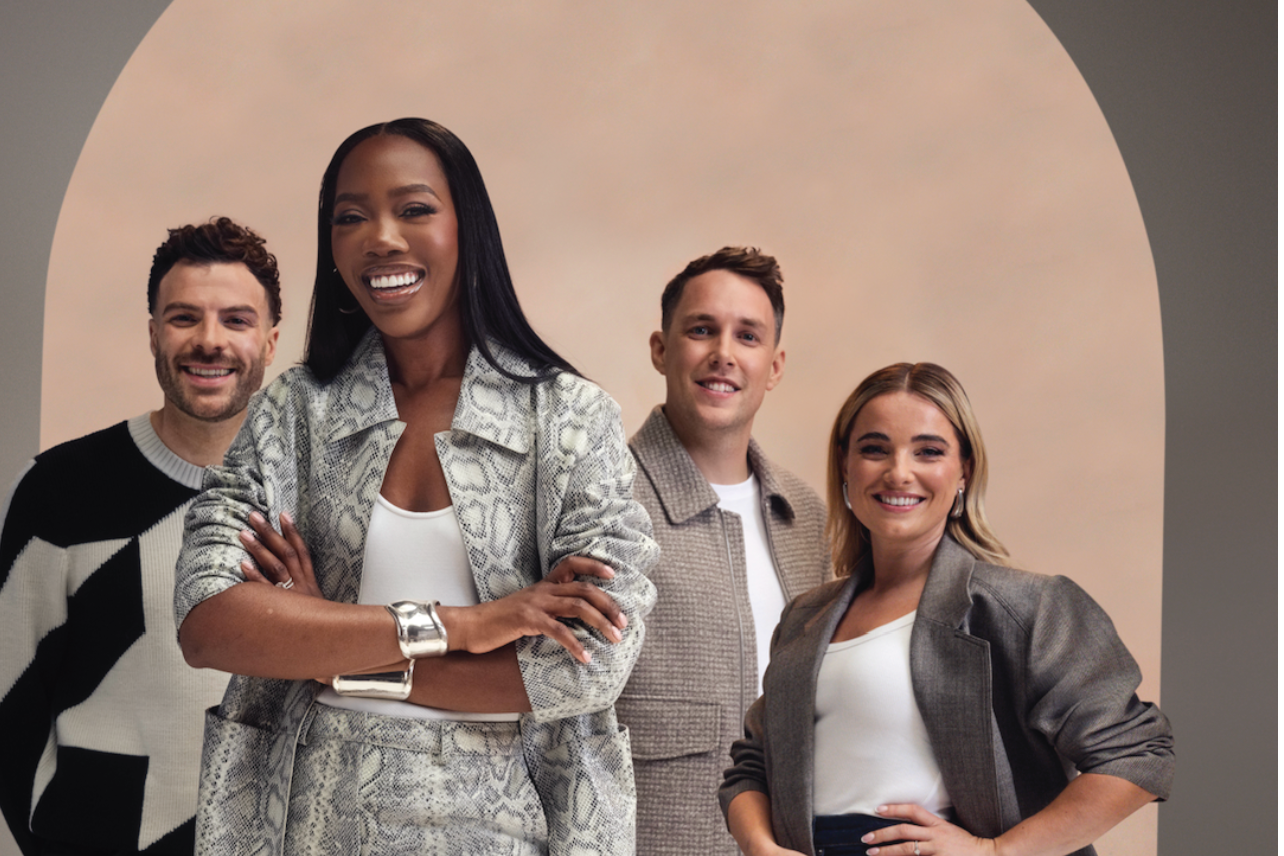
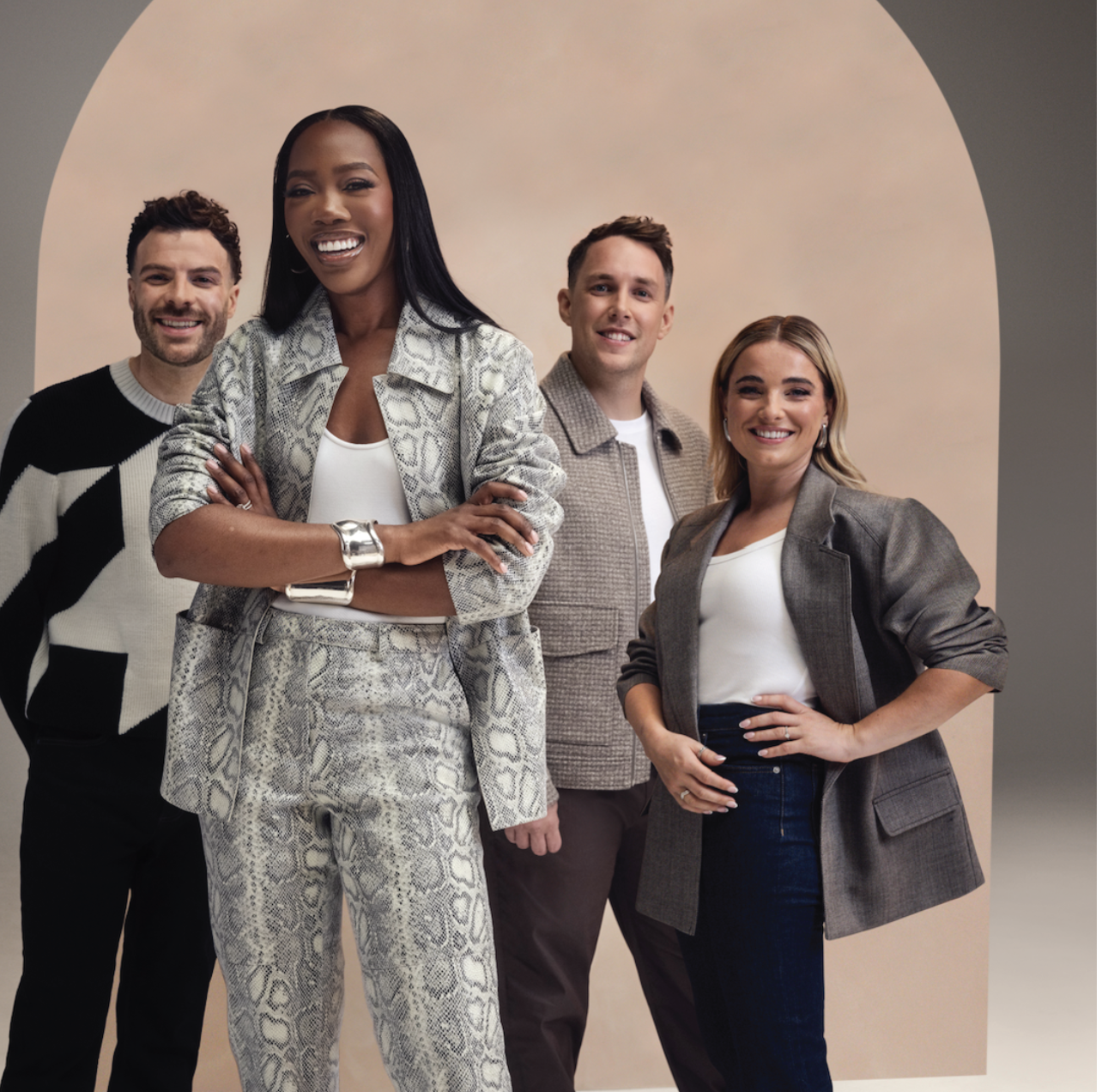
‘Love that’ (one of Mel’s signature sayings) is a show you shop. Alongside her co-hosts, Jordan North, Chris Stark, and Sian Welby, Mel hosts a weekly YouTube series that highlights the latest M&S arrivals. Additionally, a dedicated landing page on the M&S site let fans click directly to each spotlight piece.
Has this campaign cemented M&S’s place at the heart of style and culture for a new generation? Time will tell. But what’s clear is that this partnership feels authentic! This isn’t just a cyber-attack comeback; it’s an M&S culture-connecting cyber-attack comeback. And we really do ‘love that’.
These campaigns go beyond selling products or pushing messages to create authentic moments that genuinely connect with communities. Whether promoting children’s health or M&S fashion, they show that understanding your audience, choosing the right spokespeople, and getting the timing and authenticity right can drive awareness and take people on a meaningful journey. The result is impact that lasts, both for brands and the communities they engage.